


Dock Levellers Installation Dubai
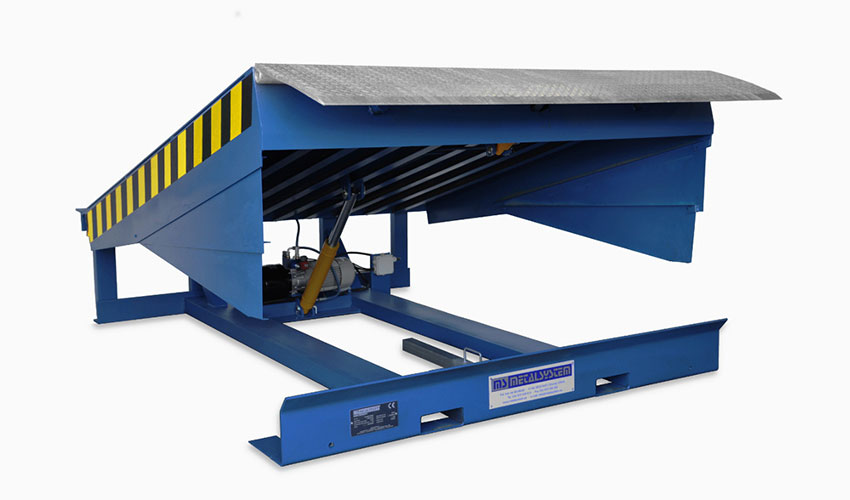
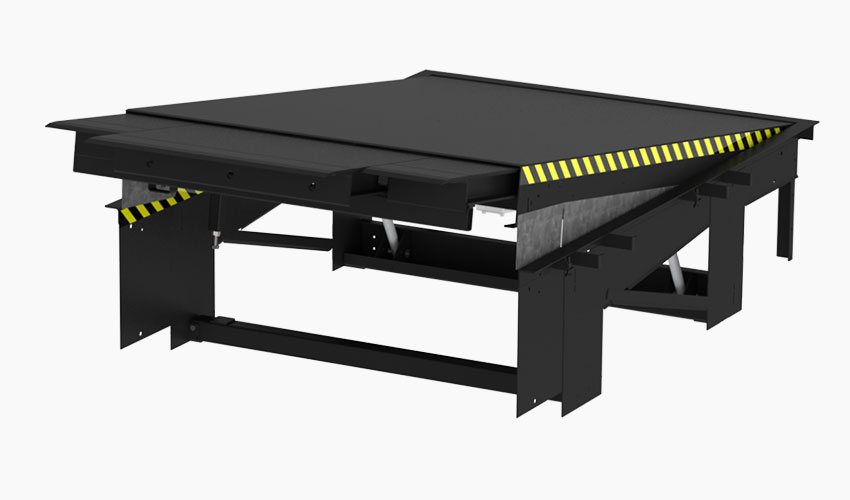
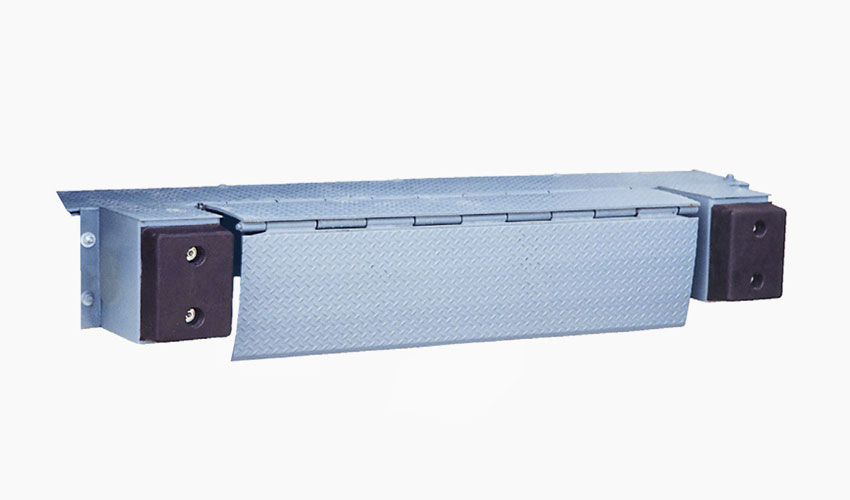
Dock Levelers are the crucial part of your loading bay area. Usage of dock leveler aids in fast loading and unloading of goods at warehouse, moreover is also important from safety and security view. Dock leveler acts as bridge between loading bay area and truck, height difference between truck and bay area is bridged and material movement can be carried out smoothly between warehouse and truck. Operation of dock leveler is very easy, unskilled labor can use perform operation with ease.
Docking Equipment’s for Efficient and Safe Loading Operations
Primarily used in warehouses of various sizes, dock leveler Dubai and other forms of equipment units are used for creating a smooth and collision-free bridge between dock floors or trailers and the trucks. In other words, these components align the two floors which are usually situated at a significant height difference. The result is streamlined and efficient loading and unloading operations of goods coming in or going out of the warehousing facility.
Types of Docking Equipments
Dock levelers
One of the key components used in warehousing facilities is the dock leveler Dubai. It bridges the uneven height gap between the dock floor and the trailer bed while providing a smooth channel for movement of loading and unloading equipment units like forklifts. As a result, the overall process efficiency is enhanced by significant levels while ensuring the goods remain unharmed throughout. At Ozone Me, we offer dock leveler installation Dubai for two types, namely:
- Hydraulic leveler: With automated operations, these are best-suited for busy warehouses with large-volume usage. They can be activated with a single push-button, thereby reducing manual efforts and improving the overall efficiency.
- Mechanical leveler: For budget-friendly dock leveler installation, this option seems to be the most feasible. Here, a dedicated operator needs to control the equipment’s movement, either through a foot pedal or chain lift, and hence suitable for low-volume applications.
Drawbridge Levellers
In areas where levelers can’t be used, drawbridge levellers act as a bridge between the trailer bed and dock floor. These are primarily used when goods need to be loaded or unloaded between surfaces with a height difference but not frequently.
Dock Seals and Shelters
These elements form a tight seal between the warehouse building and the trailer, thereby protecting the goods from being exposed to the adverse weather conditions. Apart from this, they also maintain optimal temperature within the warehouse.
Dock Bumpers and Wheel Chocks
Dock bumpers are mainly used to prevent impacts on the dock beds if the trailer mistakenly collides with the former while wheel chocks keep the trailer in a single position, preventing their movements during loading and unloading.
Dock Doors
Used for sealing the docking area, the dock doors are available in various forms and offer better security and protection to the warehousing facility.
Factors to Remember While Selecting Docking Equipment
- Facility type and operation: The type of warehouse and frequency of loading and unloading of the goods greatly influence the choice of docking equipment.
- Weight: Checking the weight tolerance capacity of the docking equipment is crucial to ensure they can last for long and support the activities without any damage.
- Height variations: The docking equipment choice will also depend on the height difference between the dock bed and the trailer height.
- Safety features: Looking into the additional safety features like wheel chocks and dock seals is crucial.
Leverage our Expertise to Enhance Docking Operations
At Ozone Me, we have ensured all our docking equipment units are rugged, easily maneuverable, and have higher tolerance for heavy weight movement in a consistent manner. So, connect with us now for seamless docking leveler installation in Dubai.
FAQs
Docking equipment includes tools like dock levelers, seals, shelters, bumpers, and wheel chocks. These are primarily used to create a secure and efficient connection between trucks and warehouse loading bays, allowing smooth, safe, and quick loading or unloading of goods while minimizing the risk of accidents or product damage.
OzoneDXB offers hydraulic and mechanical dock levelers. Hydraulic levelers are automated and suitable for high-volume operations, activated with a push button. Mechanical levelers are budget-friendly and manually operated using a foot pedal or chain lift, making them ideal for low-traffic facilities. Both types help bridge height gaps between docks and trailers.
Dock shelters and seals create a tight seal between the trailer and the warehouse, protecting goods from weather exposure and maintaining internal temperatures. This helps reduce energy costs, safeguard product quality, and improve working conditions for warehouse staff during loading and unloading operations.
Docking equipment streamlines the loading and unloading process, reduces manual labor, and enhances safety by preventing accidents and collisions. It also protects goods, minimizes damage, and boosts operational efficiency. Features such as seals and bumpers contribute to warehouse security and help maintain optimal internal environmental conditions.
Selecting the right docking equipment depends on factors such as your warehouse size, loading frequency, weight requirements, and variations in dock-to-truck height. Consider the type of goods, safety features needed, and whether you need manual or automated solutions. Consulting with experts like OzoneDXB helps ensure the best fit for your facility.
Yes, docking equipment can be customized to suit specific warehouse requirements. Customization options may include size, load capacity, operating mechanism, sealing features, and safety accessories. OzoneDXB provides customized solutions to ensure compatibility with your facility's layout and operational requirements.
Dock levelers require regular inspection and maintenance to ensure safe and smooth operation. This includes checking hydraulic systems, lubricating moving parts, inspecting welds and hinges, and ensuring safety features like bumpers and wheel chocks are intact. Preventive maintenance extends equipment life and reduces downtime.
